
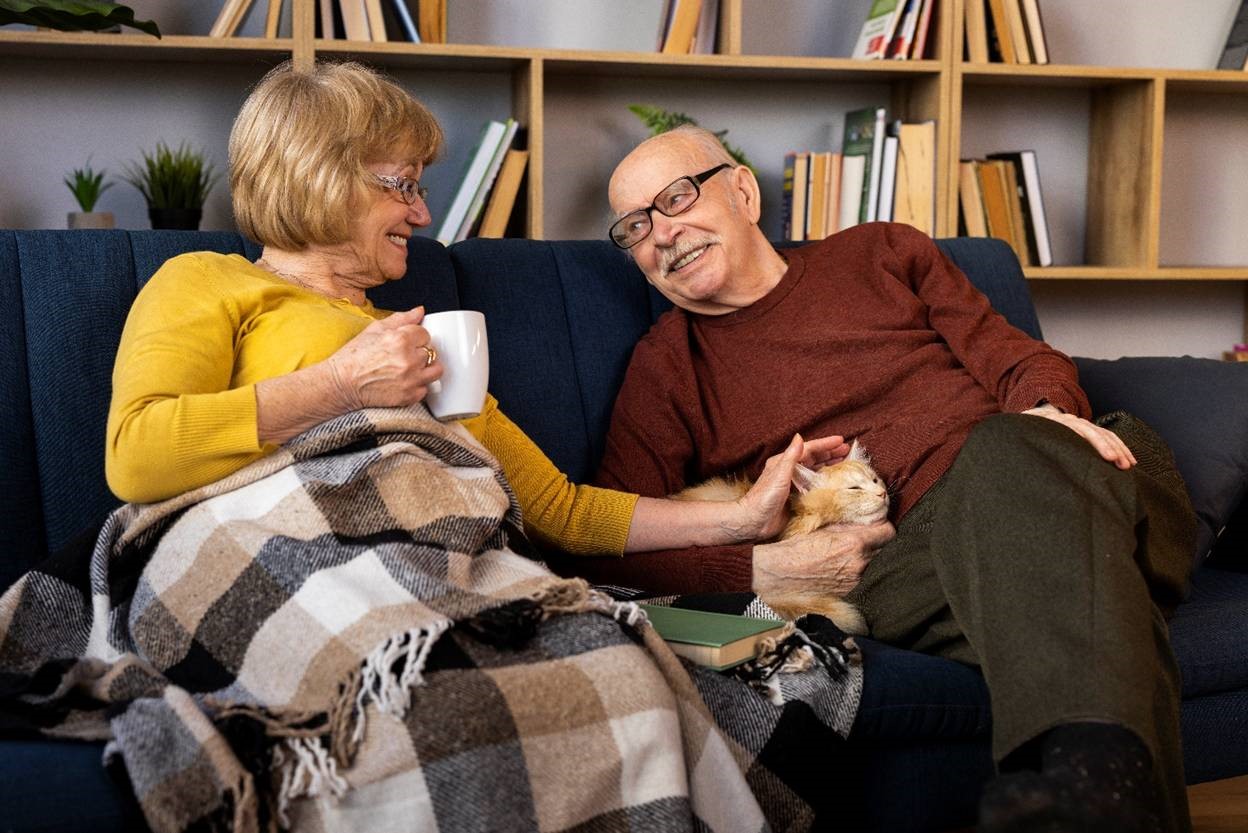
Winter in Connecticut brings cozy moments, holiday traditions, and plenty of charm, but it also brings challenges for older adults. Cold temperatures, shorter days, and icy walkways can make daily life more challenging and increase the risk of illness or injury for seniors. A warm home, safe surroundings, and consistent support help seniors stay comfortable, active, and confident throughout the season.
At Quality Homemakers, we understand how winters in Connecticut can affect seniors living at home. With thoughtful planning, companionship, and the right daily help, winter becomes a season to enjoy, not endure.
Supporting senior independence during Connecticut’s cold months starts with simple home updates and seasonal care that keep older adults safe, warm, and confident at home. This guide offers practical tips to keep your loved one safe, healthy, and supported throughout the winter.
Non-Medical Home Care for Seniors Across Connecticut
When an older adult needs extra support at home, families want someone they can trust: someone patient, dependable, and genuinely caring. At Quality Homemakers, we provide non-medical home care solutions that help seniors stay safe, comfortable, and independent throughout every season.
Our caregivers assist with everyday tasks that make life easier: light housekeeping, meal preparation, errands, and friendly companionship. We also offer personal care support such as bathing assistance, dressing, toileting help, mobility assistance, and gentle medication reminders for daily routines. Every service is designed to bring comfort to seniors living at home.
We know each person’s needs are different. That is why we take time to listen, understand your family’s concerns, and create a care plan that feels right for your loved one. Whether someone needs a few hours of help a week or steady daily support, our team is here to guide and care with compassion.
If you are exploring winter preparation or year-round home care for seniors, we would be happy to assist. Reach out to discuss your needs, as we are always here to help.
Why Winter Preparations Matter for Seniors
Connecticut winters can be beautiful, but they also bring cold temperatures, icy sidewalks, and shorter days, all of which increase risks for older adults. Even small steps, like wearing proper footwear or keeping pathways clear, can prevent falls and cold-related illnesses. Agencies such as the National Institute on Aging, the CDC, and the Connecticut Department of Public Health emphasize early planning as the best protection.
Preparing in advance helps seniors stay warm, healthy, and confident throughout the winter months.
How Seniors Can Transition Safely Through Seasonal Changes
Each season brings different challenges, from slippery winter conditions to summer heat. For seniors, small adjustments can make a big difference. Hydrating well, wearing weather-appropriate clothing, staying socially connected, and updating home safety routines all support independent living year-round.
Preparing for Seasonal Changes: Essential Home Care Tips
Seasonal transitions affect daily life in meaningful ways. Temperature changes, shifting daylight, and weather conditions can influence safety, senior mobility, and overall well-being, especially for older adults. Preparing the home and daily routines ahead of time helps seniors stay comfortable and reduces stress on both the individual and their family.
..
At Quality Homemakers, we understand the importance of thoughtful seasonal planning. Our caregivers help seniors stay safe, supported, and engaged no matter what the weather brings. Whether it is organizing warm clothing, winterizing the home, helping with errands, or offering steady companionship, we provide the kind of care that makes seasonal changes easier to navigate.
Home and Outdoor Senior Safety Checklist for a Safer Winter
Small updates around the home, and a little planning for outdoors, can make winter much safer for older adults. Here is a practical checklist you can save, print, and use throughout the season.
Home Safety Checklist
| Home Task | Why It Matters | What to Do |
| Keep indoor temperature steady (65–72°F) | Prevents chills and cold-related illness | Set the thermostat and avoid sudden temperature drops |
| Check heating systems early | Ensures warm, reliable heat | Service furnaces; change filters; test the heat before the season |
| Test smoke & carbon monoxide detectors | Winter increases heating-related risks | Replace batteries and test alarms on every level |
| Use space heaters safely | Reduces fire hazards | Keep 3 feet away from blankets, curtains, or cords; never leave unattended |
| Secure rugs and remove clutter | Prevents slips and trips indoors | Add nonslip mats, tape down edges, and keep walkways clear |
| Improve lighting | Shorter days affect visibility | Add night-lights, brighter bulbs, and motion-sensor lights |
| Keep essentials within reach | Reduces bending and reaching | Place meds, warm clothes, and daily items at waist height |
| Build a steady daily routine | Supports wellness during colder months | Caregivers can help with meals, hygiene, and medication reminders |
Winter Wellness: Movement, Hydration, and Nutrition
Cold weather may limit outdoor activities, but staying active and nourished is still important for strength and immunity. Quality Homemakers can help weave warmth, movement, and healthy habits into your loved one’s daily routine.
Winter Safety Guide for Seniors
Connecticut winters are beautiful, but they bring real challenges for older adults living at home. Cold temperatures and slippery conditions can make simple routines more challenging for older adults. With a bit of preparation, winter becomes much easier to navigate.
..
With the right support, seniors can stay warm, safe, and comfortable throughout the season. Here is a practical, family-friendly winter safety guide created for the families we serve at Quality Homemakers.
1. Prepare the Home for Colder Weather
A warm and safe home is the first step to a calm winter season. Before temperatures drop, check that heating systems are working properly. Turn the heat on for a short test run and replace air filters if needed. If your loved one uses a fireplace, schedule a chimney inspection to avoid smoke buildup or fire hazards.
2. Check Safety Devices
Functioning smoke and carbon monoxide detectors are essential during winter, when heating equipment is used more often. Replace batteries and test each device, especially in bedrooms and hallways. Keep a fire extinguisher on every level of the home and make sure your loved one knows where it is located and how to use it.
3. Create a Winter Emergency Kit
Unexpected storms and power outages are common in Connecticut. Prepare a simple kit so seniors have what they need:
● Flashlights and extra batteries
● Warm blankets and sweaters
● Bottled water and nonperishable snacks
● A phone charger or power bank
● A small first-aid kit
● A printed list of emergency contacts
Keeping these items together makes it easier to stay calm if the power goes out.
4. Prevent Falls in Snow and Ice
Falls are one of the biggest winter risks for older adults. If your loved one still enjoys short walks, make sure they have sturdy winter boots with good traction. Ice grippers or walking poles can add extra stability outdoors. Keep salt or ice melt in an easy-to-reach area, and arrange snow-shoveling help before the first storm arrives.
5. Keep the Home Warm and Draft-Free
Older adults are more sensitive to cold temperatures, so maintaining a steady indoor temperature is important. Seal drafty windows, keep extra blankets nearby, and encourage dressing in layers. A warm hat, gloves, and thick socks help preserve body heat indoors and outdoors.
6. Stock Up on Essentials
Winter can make quick trips to the store challenging. Stock the pantry with easy-to-prepare meals, soups, fruits, and vitamin-rich foods. Review medications and make sure refills are available before a storm hits. If driving is difficult in winter weather, consider switching to delivered groceries and medications.
7. Support Seniors Living with Memory Concerns
Cold weather and early sunsets can be especially confusing for seniors with dementia. Keep winter clothing within easy reach, maintain a warm indoor temperature, and turn on lights earlier in the afternoon to reduce sundowning. Regular check-ins, either in person or by phone, help seniors feel grounded and supported during darker months.
8. Stay Connected
Winter can feel isolating. Encourage phone calls, video chats, or short visits when the weather allows. Warm moments with family and friends help lift spirits and bring comfort to seniors through the season.
A Warm, Safe Winter Starts with the Right Support
Winter can be a wonderful season for seniors when the right safety steps are in place. Simple habits, like dressing in warm layers, keeping walkways clear, and preparing the home for cold weather, make daily life safer and more comfortable. With a little planning, older adults can enjoy the season without worry.
If your loved one needs extra help this winter, Quality Homemakers is here to support you. Our caregivers can assist with errands, warm meal preparation, personal care, and companionship, so seniors feel safe, cared for, and connected all season long.
Reach out today to learn how we can help your family enjoy a safer, calmer winter at home.