
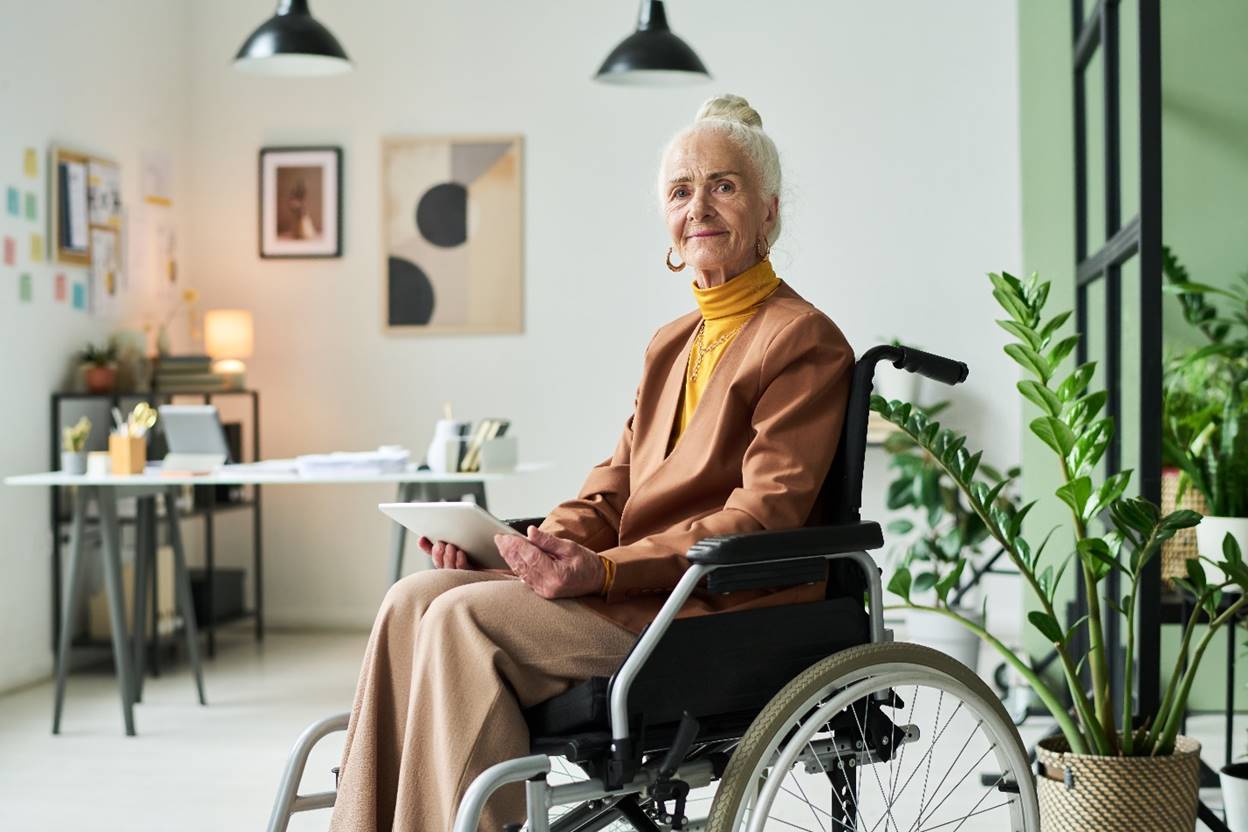
Mobility limitations can affect daily routines, mental well-being, and the ability to remain in familiar environments. For seniors who wish to continue living at home, professional support can provide both safety and comfort. In-home caregivers offer consistent assistance that supports senior mobility and independence while helping prevent common hazards and injuries.
In-home caregivers provide more than just physical assistance by offering the stability and reassurance that make aging in place possible. This article explores how home care services enhance seniors’ comfort by tackling mobility challenges with tailored home care solutions.
Understanding Senior Mobility Challenges
Mobility issues may arise from arthritis, neurological disorders, injury, or chronic conditions. Even minor limitations can affect basic tasks such as walking, standing, dressing, or getting into and out of bed. Over time, these restrictions affect confidence in seniors, which can lead to social withdrawal or a fear of moving without assistance.

In-home caregivers trained in senior mobility assistance understand these challenges through hands-on experience. Rather than relying on guesswork, they follow structured routines, stay observant, and communicate effectively to provide timely, appropriate support. Their care includes helping with daily movement, preventing falls, and spotting new risks as they arise.
Many seniors are more open to help when it comes from a professional caregiver, rather than a family member. In-home caregivers approach every task with consistency and respect, helping seniors feel capable rather than dependent.
Personalized Mobility Support from Home Care Providers
Home care for seniors covers many services, but mobility assistance is central to long-term well-being. Caregivers help with tasks such as transferring between chairs, walking with or without assistive devices, and ensuring safe movement throughout the home. This type of care may include:
- Helping seniors use walkers or canes correctly
- Supporting seniors as they navigate hallways or staircases
- Assisting with getting in and out of beds or recliners
- Monitoring signs of fatigue or imbalance
- Encouraging gentle movement to reduce stiffness
These steps lower the risk of injury, promote healthy circulation and mobility, and enable seniors to stay engaged in meaningful daily activities. Rather than restricting routines, caregivers focus on helping seniors adapt and move safely.
Creating a Safer Home Environment
Safety goes beyond having the right equipment and relies on awareness and consistency. Caregivers trained in senior safety routinely inspect the living space and address potential hazards. These proactive measures help create a dependable environment for aging in place. Common interventions include:
- Removing rugs or cords that may cause tripping
- Recommending or positioning grab bars and handrails
- Keeping walkways clear and well-lit
- Adjusting the placement of frequently used items
In-home care enables seniors to stay in familiar surroundings without compromising their safety. As needs evolve, caregivers adjust routines and adapt the home environment accordingly. This level of ongoing awareness and support is difficult to match for remote family members or occasional visitors.
Emotional Benefits of Consistent Mobility Support
Reduced mobility can erode confidence and increase feelings of isolation. When seniors lose trust in their physical abilities, they may avoid movement altogether, leading to stiffness, greater isolation, and, in many cases, depression.

Consistent in-home care can break this cycle. A caregiver who arrives each day with calm, reliable support helps rebuild trust. That trust encourages movement, and movement boosts energy and engagement in daily life.
As stated earlier, many seniors feel more comfortable expressing their needs to a caregiver than to a family member. They may feel less guilt about asking for help and more freedom to set boundaries. Caregivers, in turn, may reinforce positive habits and reduce the fear of falling or making mistakes. Over time, this creates a foundation for better emotional well-being. Seniors start to feel secure in their abilities rather than discouraged by their limitations.
Supporting Daily Living with Practical Mobility Assistance
Mobility challenges affect every part of the seniors’ daily routine. Bathing, toileting, dressing, cooking, and light housekeeping all require movement, balance, and physical awareness. Without regular help, these tasks can become overwhelming for a loved one.
Our in-home caregivers offer step-by-step support in all these areas, combining physical assistance with verbal guidance tailored to each senior’s comfort level and abilities. They assist older adults with mobility challenges by helping them:
- Get dressed without strain, pulling, or twisting
- Use the toilet safely and without feeling rushed
- Take showers with minimal discomfort and reduced fall risk
- Move from room to room confidently and with purpose
- Prepare light meals and stay hydrated
This structured support enables seniors to take part in their own care without feeling rushed or vulnerable. A caregiver’s steady presence brings consistency to daily routines, helping seniors preserve–and even strengthen–their independence over time.
Adapting to Change without Sacrificing Independence
Mobility limitations are rarely constant. Over time, seniors may improve, stabilize, or decline. Each phase presents new requirements. A flexible in-home care plan allows seniors to adjust without moving to assisted living facilities or disrupting their daily routine.
Caregivers play a key role in this process by monitoring changes and communicating observations to families or care coordinators. Early signs of imbalance, fatigue, or pain can be addressed before they escalate into emergencies. This type of response supports senior independence while preventing avoidable accidents.
Families gain peace of mind knowing someone is attentive to these changes. Seniors benefit from care that adapts seamlessly to their needs, rather than forcing them into a one-size-fits-all approach.
The Role of Communication in Safety and Comfort for Seniors
Clear communication is essential for safety. Professional caregivers understand that even small misunderstandings can affect how secure a senior may feel during daily routines. That is why they stay attentive to both verbal and nonverbal cues, ensuring every interaction builds comfort and trust.

They take time to explain each action, offer reassurance when needed, and check for discomfort without interrupting dignity or personal boundaries. Over time, this builds a strong relationship that allows seniors to express concerns openly. This communication also extends to families. Caregivers can share notes, raise questions, or flag changes that may require attention. Everyone involved remains informed, which helps avoid confusion or missteps in care planning.
How In-Home Care Services Support Aging in Place
Aging in place is a preferred choice for many older adults who cherish familiarity, independence, and personal space. For those facing mobility challenges, making this possible requires consistent, skilled support.
In-home care providers from Quality Homemakers help seniors stay in their homes without unnecessary risk. Whether it is walking across a room or preparing a meal, every movement is guided by someone trained to spot potential hazards and ease physical strain. Seniors receive the benefit of movement without being overwhelmed by its demands. They continue living in their own home, making their own choices, while still receiving the safety net that professional care provides.
Choosing the Right Home Care for Seniors
When selecting home care for seniors with mobility challenges, families should look for providers with proven references, well-trained staff, and a strong record of consistent scheduling. A quality agency will perform a thorough assessment before assigning a caregiver and stay actively involved to adjust the care plan as needs change.
Caregivers should be able to clearly explain their approach to mobility support, safety, and communication. Seniors need to feel safe, respected, and at ease within the care relationship. Every aspect of the arrangement should promote their independence rather than limit it.
Conclusion
Mobility challenges do not have to limit dignity, safety, or comfort. With professional senior care from Quality Homemakers, your loved ones can continue living in their own homes while receiving support that fits their routines. From physical movement to emotional support, our caregivers offer a pathway to stable and supported independence.
For seniors living with mobility challenges, in-home care is more than a convenience; it is a lifeline for safety, comfort, and confidence without leaving home. Discover how Quality Homemakers helps maintain mobility and independence through dependable, personalized care.