

The ethical dimensions of home care play an integral part in improving the quality of services offered to clients, especially older adults. As healthcare systems recognize in-home solutions, it’s good to see the focus on addressing ethical concerns around privacy, safety, and dignity becoming a priority.
Aged care offers a wonderful opportunity for developing an in-depth knowledge of the aspects of caregiving. This involves building trust, respecting each client’s unique needs, and providing personalized caregiver support to navigate their diverse and often complex challenges.
Integrating ethical principles into home care creates an environment where clients feel valued, respected, and safe in their own homes. The article explores the ethical principles that home care agencies must uphold to ensure quality care for elderly loved ones.
Respecting Privacy in Home Care
Respect for privacy is a prerequisite to providing compassionate and quality home care. For older adults, whose sensitivities can sometimes make them vulnerable to invasive practices, safeguarding personal boundaries is not only essential but also a fundamental right that supports dignity and promotes trust in caregiving relationships. Here’s how Quality Homemakers prioritizes privacy and respectful care.

Honoring Individual Preferences
Recognizing autonomy begins with understanding each client’s unique preferences. These may include their preferred mealtime schedule and approach to personal care routines.
Empowering clients to make their own decisions nurtures a sense of control and strengthens their identity. By taking time to listen and incorporate these preferences into daily routines, caregivers encourage trust and mutual respect, creating an environment where clients feel genuinely heard and understood. This is an important and often overlooked aspect of home care, and when done right, it helps both client and caregiver.
Protecting Sensitive Information
In-home care support services often involve handling sensitive personal information, including client health diagnoses and family details. Protecting our client’s personal details requires strict adherence to confidentiality protocols and policies.
A 2019 study in the Journal of Clinical and Diagnostic Research on aged care ethics highlighted the benefits of non-disclosure agreements for caregivers and the importance of private discussions about care procedures. Implementing such measures safeguards sensitive data and helps maintain the trust clients have in their caregivers, maintaining a secure environment for everyone involved.
Balancing Observation with Discretion
The balance between effective monitoring and respect for personal space in live-in care for the elderly is a challenge. Caregivers should balance attentiveness with respecting seniors’ independence, creating space for personal growth.
Live-in clients typically depend on their caregivers for ongoing support, which is why live-in services are structured to provide a high level of non-medical care and day-to-day assistance.
Promoting Safety in Home Care
For seniors, safety encompasses physical, emotional, and psychological well-being, ensuring they feel secure, valued, and supported in their daily lives. Older adults, who can sometimes face challenges with accidents and medical emergencies, prosper in environments designed to improve safety while still allowing them the freedom to enjoy life.
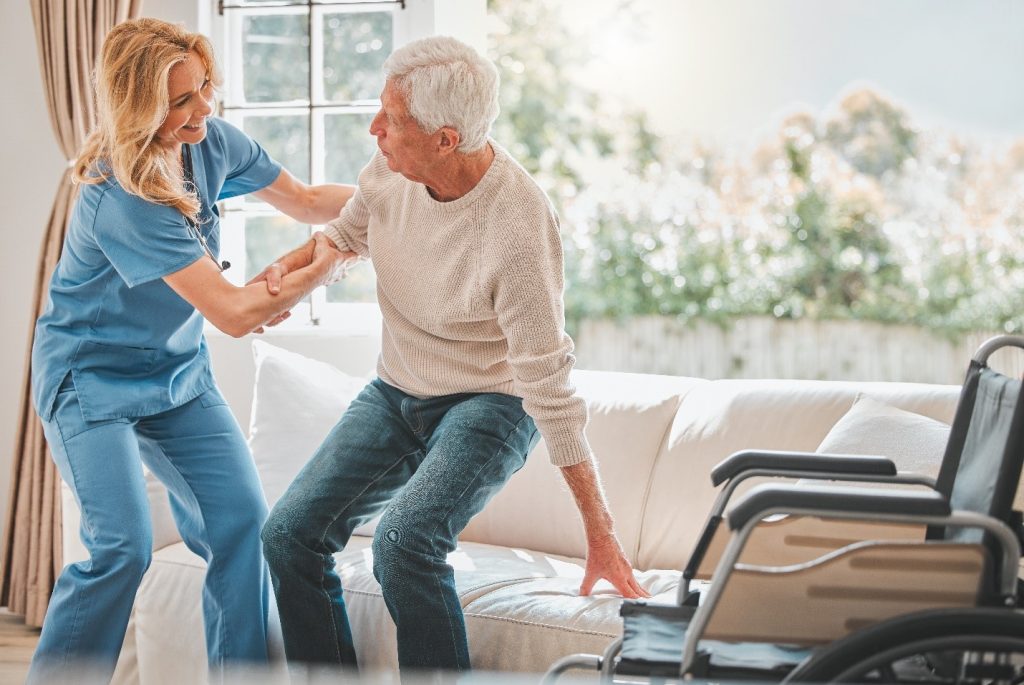
A strong approach to ethical caregiving starts with cultivating an environment where clients feel secure and uplifted. This means being attentive, respectful, and consistently prioritizing the client’s comfort, dignity, and autonomy. This is how:
Establishing Trust Through Accountability
The foundation of safety is built on the competence, reliability, and accountability of caregivers, creating a positive environment for all. Thorough screening processes, including background checks and reference verifications, help agencies bring on board staff members who embody exceptional professionalism and are held accountable for maintaining high standards of care.
Training programs focusing on elderly care equip caregivers to take on the unique challenges faced by aging clients with confidence and compassion. By consistently following care plans and maintaining open communication, caregivers demonstrate their dedication, fostering trust and reassurance for seniors and their families.
Identifying and Mitigating Risks
Each home presents unique challenges, from trip hazards to inadequate lighting and limited emergency exits. Addressing these risks paves the way for ongoing home evaluations and collaborative efforts with clients to create a more secure environment for older adults.
Small adjustments, such as the installation of grab bars, the securing of rugs, or the addition of more lighting, can significantly improve safety and reduce the likelihood of accidents. Caregivers must stay alert to evolving risks as a senior’s needs and circumstances change, ensuring their home remains a safe and supportive environment as they age.
Emergency Readiness
Emergencies are an unavoidable aspect of caregiving, and being well-prepared is of utmost importance. Caregivers must receive practical training to effectively handle situations such as falls, unexpected medical incidents, or natural disasters.
Clear protocols, such as maintaining up-to-date emergency contact lists and ensuring easy access to medical supplies, help caregivers respond quickly and effectively. Simulation exercises and scenario-based training sessions can significantly bolster clients’ preparedness, allowing for prompt responses in emergencies.
Delivering Quality Home Care
Home care goes beyond basic help to incorporate hands-on assistance and social support, improving the client’s overall experience. This includes help with daily tasks like bathing, dressing, meal preparation, and mobility support. High-quality care prioritizes physical, emotional, and social well-being.

Developing Comprehensive Care Plans
Effective elderly care plans should address a client’s physical, emotional, and social needs while honoring their habits, cultural customs, and spiritual beliefs. Incorporating ethnic or religious preferences into their daily care routine demonstrates a caregiver’s commitment to personalized care. This thoughtful approach fosters trust and enhances the client’s overall well-being.
Building Consistency in Relationships
Consistent caregiver-client relationships are essential. Frequent caregiver changes disrupt routines and may cause anxiety or a sense of instability for older adults. For familiarity and trust, agencies must assign long-term caregivers to clients. Consistency in caregiving interactions helps clients feel at ease communicating their wants and preferences and helps caregivers understand their routines and personalities.
Emotional and Social Support
Seniors often face social isolation and loneliness, but caregivers can help them feel valued and connected by supporting their personal interests, fostering meaningful interactions, and strengthening bonds. Simple acts like listening or remembering important details can create deep connections between them. Caregivers can also help clients feel more socially connected by taking them to neighborhood activities or organizing meetings with a client’s relatives.
Conclusion
Ethical home care is built on principles that celebrate dignity, promote safety, and improve the quality of life for older adults. By embedding values such as respect, integrity, and empathy into every aspect of care, we can all work together to meet the needs of seniors. Professional home care services like Quality Homemakers emphasize the importance of balancing privacy, safety, and quality of care in creating a trusted and compassionate caregiving environment.
Tackling these ethical considerations lays the groundwork for senior care that is both meaningful and impactful. By adopting a spirit of continuous improvement, our caregivers help create an environment where clients feel valued, safe, and uplifted in the comfort of their own homes.